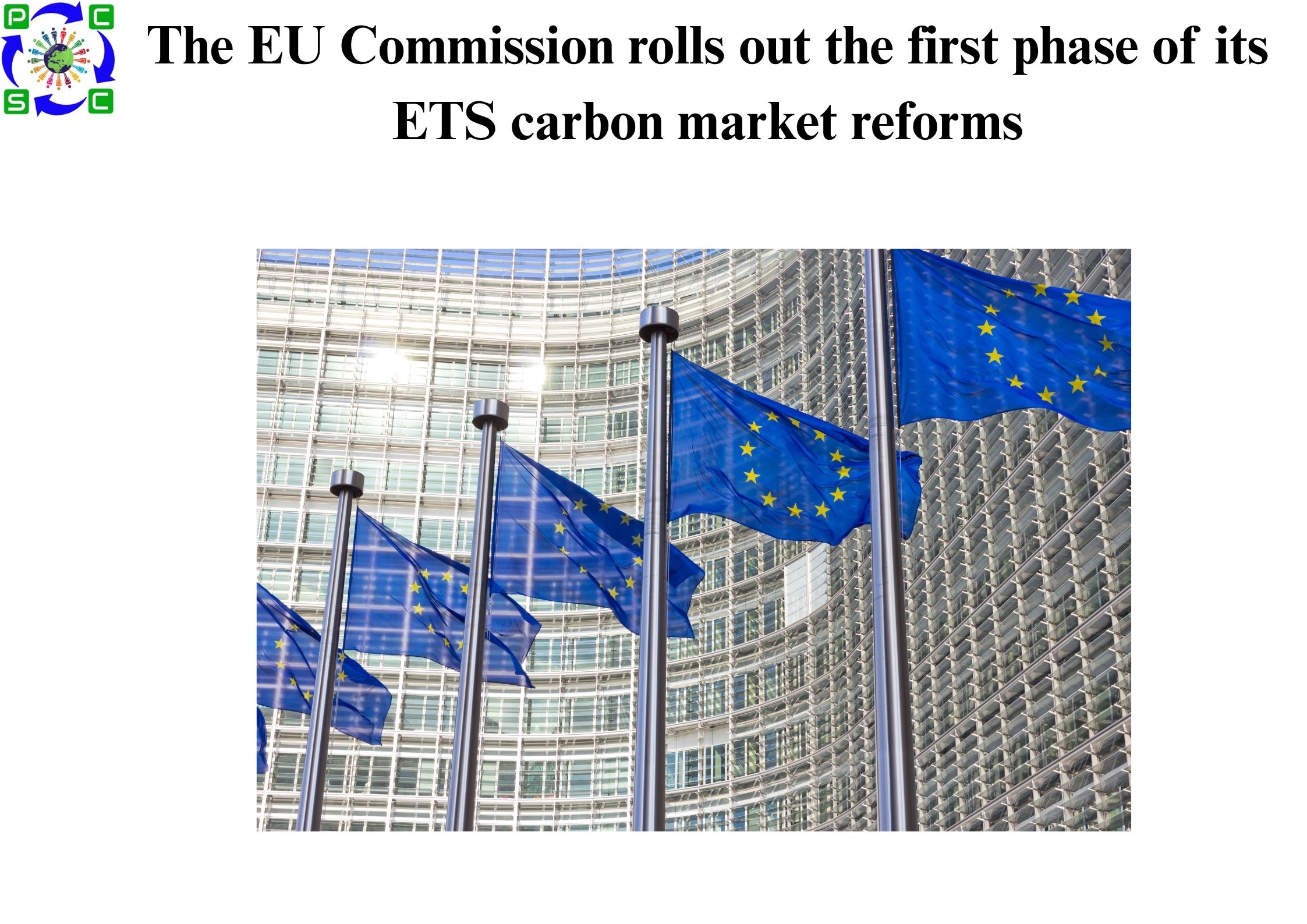
The European Commission has proposed a new measure to adjust a key mechanism within its carbon pricing system, the EU Emissions Trading System (ETS), in response to increasing pressure on industries from rising energy and carbon costs.
The EU ETS, established in 2005, is the bloc’s cap-and-trade mechanism that prices carbon emissions across major greenhouse gas–intensive sectors such as power generation, oil refining, steel, cement, chemicals, paper, and aviation. Amid ongoing energy price volatility—initially driven by the Russia–Ukraine war and further intensified by geopolitical tensions—several member states have urged a review of the system to ease the burden on industry.
Following discussions at the European Council in March, European Commission President Ursula von der Leyen committed to introducing short-term adjustments, alongside a broader ETS review planned for July 2026.
Despite calls for reform, the Commission continues to defend the ETS as a critical tool for reducing reliance on imported fossil fuels, accelerating the transition to clean energy, and financing decarbonisation efforts. The system has contributed to a 39% reduction in emissions since 2019, even as the EU economy grew by 71%.
According to the Commission, the proposal aims to keep the ETS “fit for purpose” by preserving its core structure while enhancing its ability to support decarbonisation, competitiveness, and energy security.
The proposal will now require approval from the European Parliament and the Council before it can be implemented.