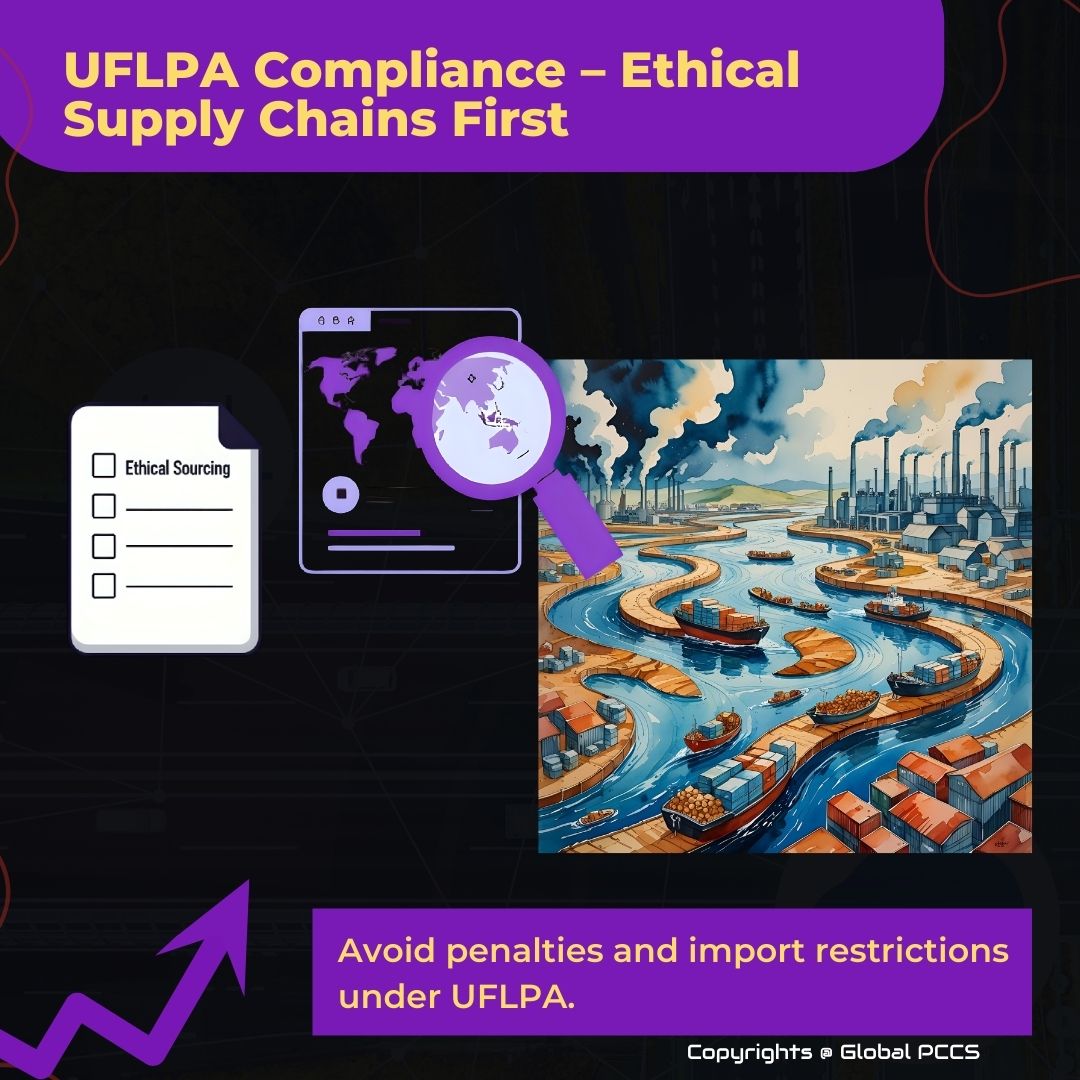
The U.S. Uyghur Forced Labor Prevention Act (UFLPA), effective June 2022, bans imports of goods linked to forced labor in China's Xinjiang Uyghur Autonomous Region (XUAR). It creates a "rebuttable presumption," meaning all goods from XUAR or listed entities are assumed to be made with forced labor and are prohibited unless importers provide "clear and convincing evidence" otherwise to U.S.
Customs and Border Protection. This law significantly heightens the due diligence burden on importers, particularly in sectors like cotton, electronics, and solar, reflecting a strong U.S. stance against human rights abuses in global supply chains.
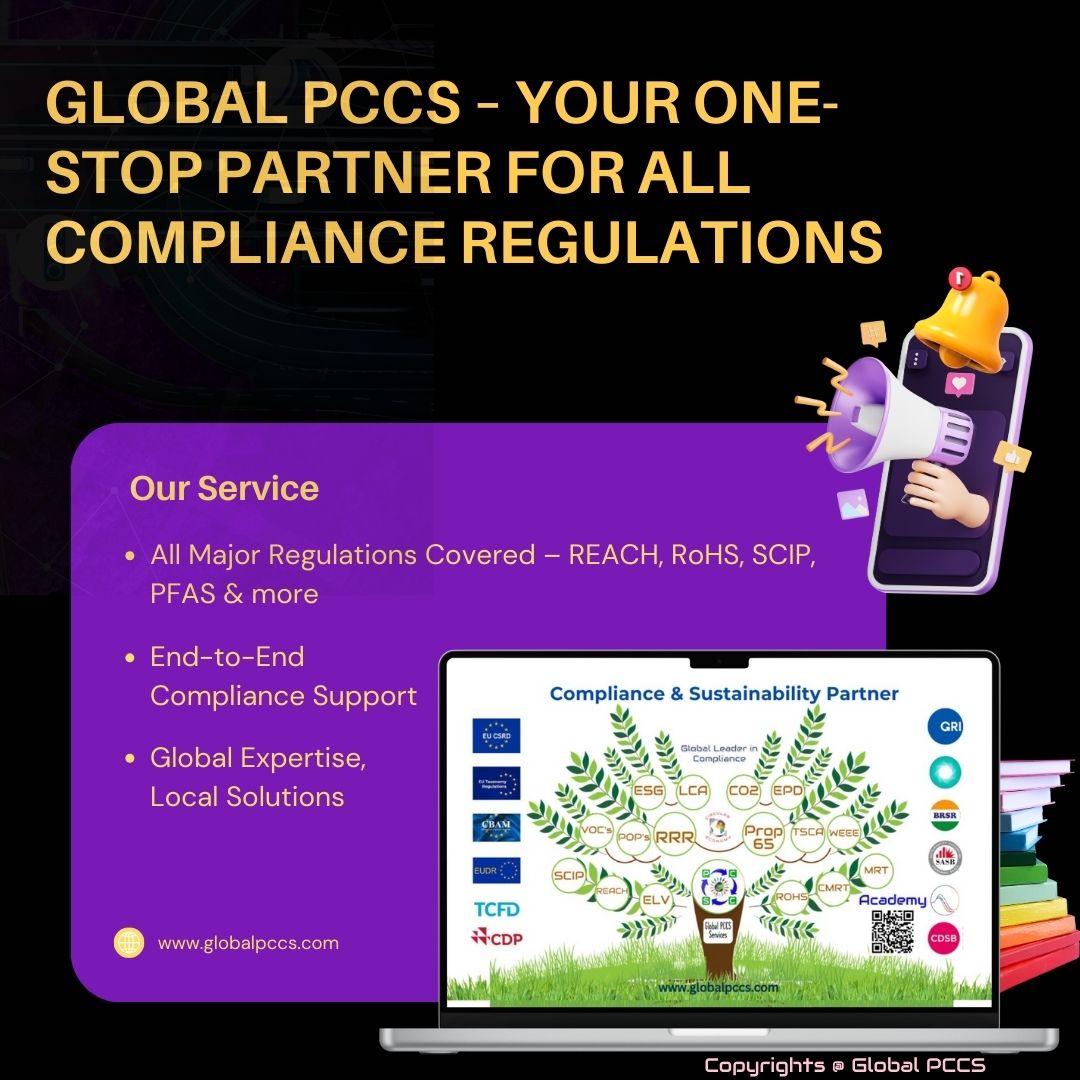
Evaluating your supply chain to identify potential risks linked to the Xinjiang Uyghur Autonomous Region (XUAR) and determine your current level of compliance preparedness.
Supporting efforts to trace the origins of raw materials and components—especially in high-risk industries such as cotton, polysilicon, aluminum, and electronics—to uncover potential forced labor links.
Assisting in the creation of strong due diligence procedures and internal controls aligned with the UFLPA’s “clear and convincing evidence” threshold.
Providing guidance on gathering, organizing, and presenting necessary documentation to demonstrate compliance with U.S. Customs and Border Protection (CBP) requirements.
Developing tools and strategies for effectively communicating UFLPA obligations to suppliers, conducting risk-based supplier evaluations, and verifying their adherence.
Delivering education and awareness programs for both internal stakeholders and suppliers on UFLPA compliance, industry best practices, and proactive risk management.
Watch the video to learn more about our services and how we can help you achieve your goals.